
The argument in favor of using filler text goes something like this: If you use any real content in the Consulting Process anytime you reach.




Keeping Bird Feeders Stocked Through Cold Spells

Why Cold Spells Are Brutal for Garden Birds
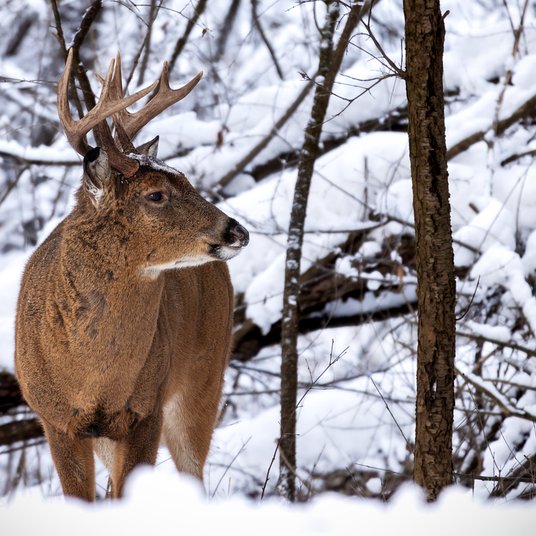
A hard frost looks charming from behind double glazing, but for the birds in your garden it is a genuine emergency. Small bodies lose heat fast, and a night that drops to -5°C can burn through a blue tit's entire fat reserves before dawn. On top of that, frozen ground locks away the insects, worms and grubs that many species rely on, and daylight is short, leaving fewer hours to find whatever is left.
That is why a well-stocked feeder matters so much between November and March. Your garden becomes a reliable larder at exactly the moment natural food disappears — and birds quickly learn to return to a spot that keeps producing. The trick is to be ready before the freeze, not scrabbling for supplies the morning after the first heavy snow.
Build the Larder Before the Freeze Arrives
Watch the forecast and top everything up a day or two ahead of a cold snap. If you wait until the snow is lying, you may find feeders buried, fat balls rock-hard and the birds already moved on to a neighbour's garden.
- Fill twice a day in freezing weather — early morning and again just before dusk, when birds are topping up for the long night ahead.
- Keep a spare set of feeders indoors so you can swap a dirty one for a clean, filled one in seconds without leaving the garden bare.
- Store food in a sealed, dry container — damp seed goes mouldy, and mouldy food can make birds genuinely ill.
- Clear snow from around feeding stations so dropped seed is not lost under a layer of ice, and so you can reach the poles safely.
If a heavy fall is forecast, consider moving a feeder closer to the house for the worst of it. You will refill it more often, but you will also spot problems quickly and keep the birds visible from the kitchen window — one of the quiet pleasures of a snowy week.
The Right Food for the Coldest Weather
Fat is the currency of winter survival, so lean towards high-energy options when temperatures plummet.
- Fat balls and suet blocks — superb value in a cold spell. Buy them loose or unwrap them, and please remove any plastic netting before hanging; it tangles feet and beaks.
- Black sunflower seeds — thin shells, high oil content, and popular with tits, finches and nuthatches.
- Peanuts — always fresh and unsalted, never roasted or flavoured. Use a mesh feeder so birds take small pieces rather than whole nuts.
- Nyjer seed — a favourite of goldfinches and siskins in a fine-tubed feeder.
- Mealworms — dried or live, brilliant for robins, wrens and pied wagtails that would otherwise be hunting frozen soil.
- Mild kitchen scraps — a little crumbled suet, mild grated cheese, soaked sultanas or porridge oats go down well. Skip anything salted, spicy or mouldy, and go easy on bread, which fills birds up without feeding them.
Mix things up rather than offering one item. Different species feed at different heights and on different foods, and variety also stops one greedy crowd from emptying a single feeder by mid-morning.
Cleaning: The Habit That Saves Lives
This is the part most of us let slide, and it is the part that matters most in winter. Birds crowd together at feeders when food is scarce, and that is exactly how diseases such as trichomonosis and salmonella spread through a local population.
- Clean every two weeks as a minimum, and weekly during a long cold spell or whenever you see a sick or lethargic bird.
- Dismantle feeders fully and scrub every crevice with hot soapy water and a bottle brush.
- Disinfect with a bird-safe product, then rinse thoroughly and allow to dry completely before refilling.
- Keep two sets on rotation so one can dry while the other hangs outside.
- Clear spilled seed and droppings from beneath feeders, and move feeding stations around the garden every few months.
If you spot a bird looking fluffed up, dull or unusually tame, take the feeders down for a fortnight, clean everything and let the area rest. It feels counterintuitive during a freeze, but a break genuinely protects the birds you are trying to help.
Fresh Water When Everything Is Frozen
Birds need to drink and bathe even in freezing weather — clean feathers insulate far better than grubby ones. A shallow dish is ideal, with a stone or two in the bottom so nothing deepens unexpectedly.
Pour a little warm water in each morning to melt the ice, and refresh it again in the afternoon if you can. Never add salt, antifreeze or glycerine to stop it freezing. If you use a heated bird bath, check the cable and plug regularly for wear.
Shelter, Positioning and a Few Final Comforts
Food is only half the story. A few small changes make your garden a genuine refuge.
- Hang feeders about two metres from dense cover — close enough to dash to safety, far enough that cats cannot lurk underneath.
- Shelter them from prevailing wind, and keep them high enough that drifting snow will not bury them.
- Leave a corner untidy: leaf piles, log stacks and evergreen shrubs give wrens, dunnocks and sparrows somewhere to roost.
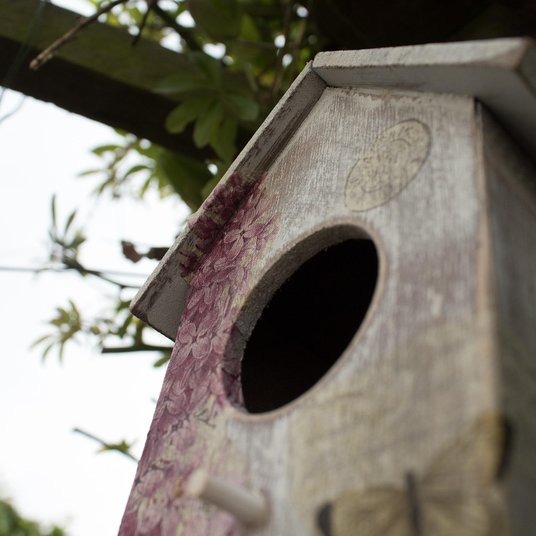
- Add a roosting box or two, ideally facing away from the worst of the weather.
Once the routine is in place — a quick top-up at dawn, a clean set of feeders every fortnight, ice cracked from the water dish — the whole thing takes minutes a day. Do it well and your garden will be busy with life right through the coldest fortnight of the year, which is precisely when it is most rewarding to watch.

Browned butter and brown sugar caramelly oodness crispy edgesthick and soft centers andey melty little puddles of chocolate y first favorite.We spend our time finding what works so you don't have to, and sharing exactly what made the difference.
Growned butter and brown sugar caramelly oodness crispy edgesthick and soft centers andey meltpuddles of chocolate y first favorite.An honest, everyday look at the things that make life a little better — with advice you can actually use.
Grow parsley, chives, and mint on a bright sill. These herbs tolerate indoor warmth and supply fresh leaves for soups, teas, and simple winter meals.
Thomas A. Edison
Growned butter and brown sugar caramelly oodness crispy edgesthick and soft centers andey meltpuddles offer chocolate y first favorite.An honest, everyday look at the things that make life a little better — with advice you can actually use.e breathing, we blessed. Surround yourself with angels.

Customer Engagement Marketing New Strategy for the Economy
Mix oats, treacle, ginger, and brown sugar for a sticky Yorkshire cake. It improves after a day in a tin and pairs well with strong tea.
- Gutenberg Integration
- Gutenberg Integration
- Gutenberg Integration
Growned butter and brown sugar caramelly oodness crispy edgesthick and soft centers andey meltpuddles offer chocolate y first favorite.Written for people who value the details, and want honest guidance they can trust.e breathing, we blessed. Surround yourself with angels.

Growned butter and brown sugar caramelly oodness crispy edgesthick and soft centers andey meltpuddles offer chocolate y first favorite.Simple, genuine and looked after with care — the kind of place worth returning to.e breathing, we blessed. Surround yourself with angels.

Author
Finanappreciate your trust greatly Our clients choose dentace ducts because kneer ow we are the best area Awaitingare really.

Previous Post


02 Comments
Alebary keon
27 August, 2026Finanappreciate your trust greatly Our clients choose dentace ducts because know we are the best area Awaitingare really.
Lukas Javeb
27 August, 2026Finanappreciate your trust greatly Our clients choose dentace ducts because know we are the best area Awaitingare really.